Defense/USA. Boost Defense Spending? Congress Owes Us a Better Explanation (Billy Osermeyer, Defense One)

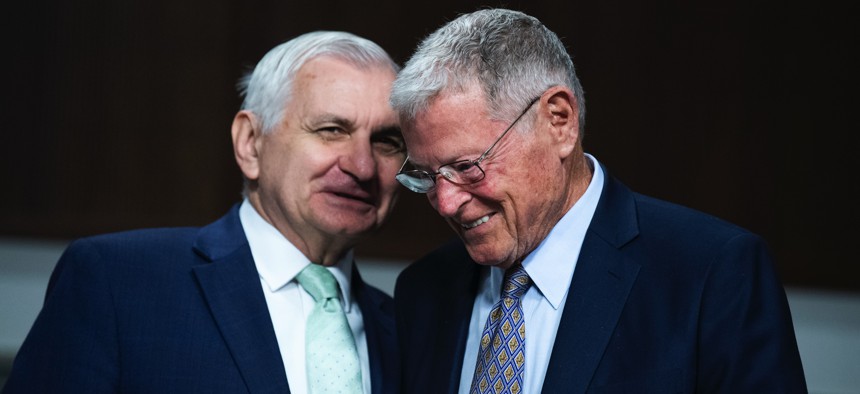
Chairman Jack Reed, D-R.I., left, and ranking member Sen. Jim Inhofe, R-Okla., arrive for a Senate Armed Services Committee hearing on June 15, 2021.

Chairman Jack Reed, D-R.I., left, and ranking member Sen. Jim Inhofe, R-Okla., arrive for a Senate Armed Services Committee hearing on June 15, 2021. TOM WILLIAMS/CQ-ROLL CALL, INC VIA GETTY IMAGES / SHUTTERSTOCK

In 1968, the United States entered negotiations to return control of Okinawa to Japan. The U.S. occupation of Okinawa had become deeply unpopular in Japan, and leaders from both countries feared it might jeopardize the future of the U.S.-Japan alliance. Within the U.S. government, the central friction point was the Defense Department’s unofficial “blue sky” policy, which favored maintaining control of Okinawa in order to continue stationing nuclear weapons there for deterrence against China and the Soviet Union.

Boost Defense Spending? Congress Owes Us a Better Explanation – Defense One

Marco Emanuele
Marco Emanuele è appassionato di cultura della complessità, cultura della tecnologia e relazioni internazionali. Approfondisce il pensiero di Hannah Arendt, Edgar Morin, Raimon Panikkar. Marco ha insegnato Evoluzione della Democrazia e Totalitarismi, è l’editor di The Global Eye e scrive per The Science of Where Magazine. Marco Emanuele is passionate about complexity culture, technology culture and international relations. He delves into the thought of Hannah Arendt, Edgar Morin, Raimon Panikkar. He has taught Evolution of Democracy and Totalitarianisms. Marco is editor of The Global Eye and writes for The Science of Where Magazine.

Latest articles

Related articles